
As a behavior consultant who specializes in fear, aggression, reactivity, and separation anxiety, my primary goal is to help families work through their dog’s behavior challenges. I’ve helped thousands of dogs and their people navigate issues that felt impossible at first, from separation anxiety and resource guarding to aggression and reactivity. I believe deeply in the science of behavior modification, and I know how much progress is possible when the right support is in place.
But, I also know that the resources required to accomplish long-term behavior modification – emotional, financial, and otherwise – are not always available to every family. And I think it’s important to recognize that.
Maybe you dreamed of adding a dog to your family, enjoying lazy weekend mornings, long walks and a dog curled up next to you snuggling on the couch. But then reality arrived, and it looked nothing like that dream. Now you’re sad, conflicted, and overwhelmed, and you’re likely receiving a flood of advice, some of it contradictory, none of it quite right for your specific situation. Some of it may even feel like judgment. I want you to know: nobody else is walking in your shoes, living your life, or managing your circumstances. Nobody has the right to pass judgment on you or your decisions.
Why might someone consider rehoming or surrendering a dog?
The reasons are more varied and more human than people often acknowledge. Your dog may have unexpected behavior issues that feel beyond your ability to address. Your family may be facing financial hardship, deportation, a health crisis, or a major life transition. Or maybe the adorable puppy you brought home is now an anxious, energetic adolescent and you feel completely unprepared. Or, you may be adding a baby to your family and are genuinely worried about how your dog and your child will safely coexist. I n other cases your dog may have aggression issues that pose a real risk to public safety, and you’re doing everything you can to keep everyone safe while knowing deep down it isn’t sustainable. Or perhaps wherever you got your dog from may not have been transparent about your dog’s history and needs, and the dog you got simply isn’t the dog you thought you were bringing home. These are all cases I’ve seen in my behavior practice, more than once. They’re not isolated situations.
Any of these scenarios can leave you living in a situation where neither you nor your dog is thriving. When a dog and a household are genuinely mismatched, it creates quality of life issues for both the humans and the dog. That’s not a moral failure on your part, and it’s not a reflection of how much you love your dog. It simply means the fit isn’t right, and sometimes the most loving thing you can do is acknowledge that honestly.
As an example, a good friend of mine adopted a dog that just wasn’t the right fit for her and her family. It took a while for them to realize and I think part of that delay was the internal struggle of not wanting to “give up” on the dog. But it became apparent he wasn’t a good fit so then they worked with the rescue to continue to foster him and soon they found a perfect family for him. He’s been there for several years now and she gets amazing updates on how great he’s doing. He wasn’t a bad dog and she wasn’t a bad owner. But, together they weren’t a good match for each other. This is also why I’m a huge proponent of fostering. It’s nearly impossible to know if a dog will be a good fit for you just doing a meet and greet at the breeder or at an adoption event. I supported, and encouraged, her decision to rehome him. It was the right thing to do for the dog and her family.
Shaming people who are already in difficult situations does not help them, and it certainly does not help the dog. Throwing “you should haves” at someone in crisis is accusatory and accomplishes nothing. It also tends to be deeply classist, since not everyone has the same access to trainers, veterinary behaviorists, daycare, or dog walkers, and not everyone lives near the resources that might otherwise make a difference. What people in these situations actually need is compassionate guidance and practical options.
What a “mismatch” can look like
Sometimes a dog’s behavior is the primary issue. There may have been multiple incidents, ongoing management that is exhausting and unsustainable, training that has been underway for a long time without meaningful improvement, and a family living in a state of constant vigilance. Other times, the mismatch is more about energy and lifestyle. The dog you thought was a mellow, low-key companion turned out to be a high-drive athlete who needs a job every day, and your life honestly doesn’t have room for that. Neither situation makes you a bad person. It makes you someone trying to figure out the most honest answer.
Sometimes the mismatch wasn’t something you could have easily anticipated, because you weren’t given the full picture to begin with. Lack of transparency in shelters and rescues is a real and well-documented problem in the rescue world. Organizations motivated by live release rates and adoption numbers sometimes downplay behavioral concerns, omit bite history, misrepresent age or breed, or simply don’t have enough information about a dog’s history to give you an accurate picture of what you’re taking on. In my behavior practice, I’ve had countless clients come to me after adopting a dog whose needs or history were never properly disclosed. That is not a failure of the adopter but it is a failure of the system. The same can be true even with responsible breeders, where a breed that looked like a great fit on paper turns out to be a poor match for a particular household’s lifestyle, activity level, or experience. Breed research can get you close, but it cannot fully predict the individual dog in front of you. If you want to understand what questions to ask before you adopt and what red flags to watch for, I’ve written about this in depth here.
None of this changes the reality you’re living in now, but it does mean you deserve to release any blame you’ve been carrying. You made a decision with the information you had. And now you’re trying to make the most responsible decision you can with the information you have today. That is exactly what good dog ownership looks like, even when the decision is painful.
Before you make a decision
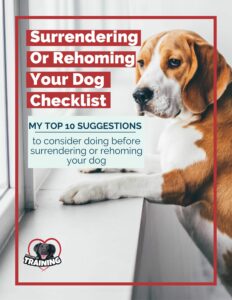 If you’re considering rehoming or surrender, getting professional behavior guidance first is important, not just for your dog’s welfare, but so you can have real peace of mind knowing you explored your options thoughtfully. I’ve put together my Top 10 Suggestions To Consider Doing Before Surrendering Or Rehoming Your Dog as a starting point. Download it today as a starting point.
If you’d like personalized, one-on-one support to talk through your specific situation, I offer a special consult designed exactly for this. You can schedule it here. As a multi-credentialed behavior consultant, a rescue advocate, and a former shelter trainer with over two decades in this field, I can help you make an informed decision and, if you do choose to rehome or surrender, help you set your dog up for the best possible outcome moving forward.
If you do decide to rehome
Please be thoughtful about how you go about it. Rehoming to a trusted friend or family member, or a friend of a friend, can work beautifully when the right match exists. If there is aggression or a history of injuries, this will be difficult and likely will involve working with a reputable rescue or shelter. These organizations specialize in making good matches, though not all are equal, so take time to research before handing your dog over. Please avoid platforms like Craigslist, which offer no vetting and put dogs at real risk.
Be honest in your communications about your dog’s history, needs, and behavior. Transparency is what gives your dog the best chance at a successful placement.
A final word and Laydi’s Story
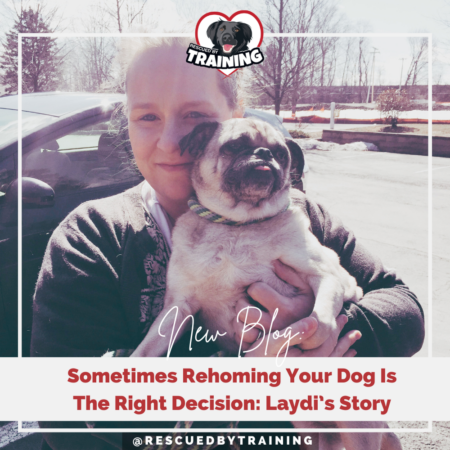
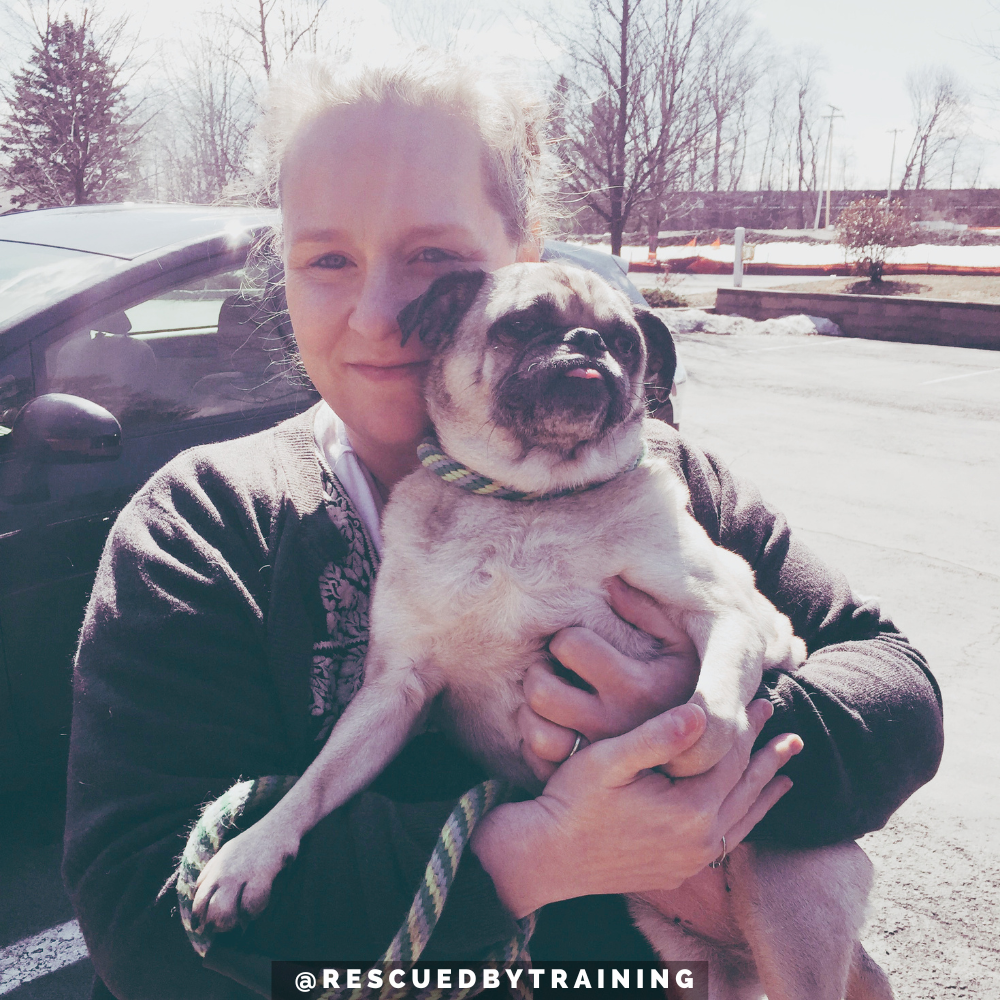 There’s a lot of shame and blame around this topic. Rehoming, when done thoughtfully and with the dog’s quality of life and wellbeing at the center, can be an act of deep love. It can mean choosing your dog’s quality of life over your own feelings of guilt or obligation. Over 10 years ago, I was part of a transport for a sweet eight-year-old diabetic pug named Laydi, and I watched her family hand her over with tears streaming down their faces. They had loved this dog for eight years and were handing her over. But, they were not abandoning her – they were making a devastating decision because her diabetes and her care needs had exceeded what they were able to provide, and they loved her enough to choose her wellbeing over their own grief.
That moment really shifted something in me. I had come into rescue work with a firm belief that people should do whatever it takes to keep their animals, and Laydi’s family quietly broke that apart for me. Witnessing them choose her quality of life over their own sadness changed me. Sometimes the most loving thing a person can do for their dog is to find them a better situation than the one they’re in. I have never forgotten Laydi and I’m sure she’s passed on now but that little pug has stayed with me.
You and your dog both deserve peace. If you’re struggling with this decision, I’m here to help you find it. Getting professional behavior guidance at this time is critical, not just for your dog’s welfare but so you can have peace of mind in your decision, knowing you’ve truly given your dog the best chance at life with you. I’ve put together my Top 10 Suggestions To Consider Doing Before Surrendering Or Rehoming Your Dog, just for you. Download it today. And if you want more personalized one-on-one counseling, you can schedule a special consult here to talk through your own situation.
Schedule a consult here. If you need support with training your fearful, reactive, or aggressive dog, you can schedule a session here. Or, if you’re living with guilt and regret, schedule a doula pet loss grief session here.
Wishing you peace in your decision,