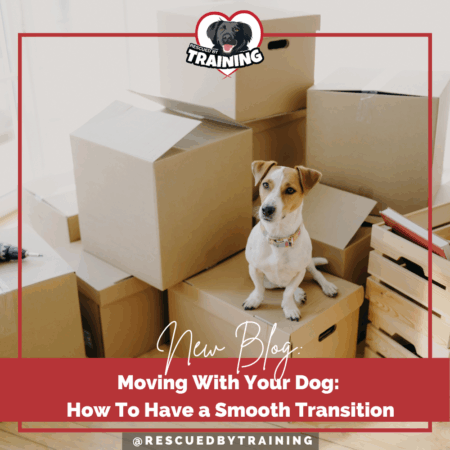

With the New Year often comes transition, and for many people that includes moving. A large number of my clients relocated during Covid, and over time I noticed several common challenges that came up when moving to a new home with a dog. Personally we’ve moved 5 times with dogs, so this is something I have a lot of personal experience with as well. Here’s some ideas for a smooth transition.
- If possible, try to create a few weeks of overlap between your current home and your new one. This allows your dog to visit the new space gradually rather than experiencing it all at once. Short visits paired with plenty of tasty treats can help build positive associations. If your dog enjoys play, a fun game of fetch or tug in the new, empty space can also create a positive first impression. Overlap time also lets you move belongings slowly, bringing familiar scents into the new home for your dog to investigate.
- Keep your dog’s exercise, feeding, and walking routines as consistent as possible. Dogs thrive on predictability, especially during times of change. Maintaining familiar routines can provide a sense of stability and help reduce stress during the transition.
- Before and after your move, take time for neighborhood sniffari walks. Let your dog explore the new area at their own pace, following their nose without a specific agenda. If your dog seems nervous, use cheerful encouragement and treats to help them feel more comfortable. Never force a dog to walk if they are scared. You can use cues like Touch or Find It to encourage movement in a low pressure way.
- Set up a safe space in the new home and avoid giving your dog access to the entire house immediately. Large, unfamiliar spaces can feel overwhelming, especially for fearful or anxious dogs. A gated area or single room can help your dog settle in. Gradually increase access to the rest of the home as your dog shows comfort and curiosity. This can also help by limiting opportunities for potty accidents in the new space.
- Make time for activities your dog enjoys. Moving is exhausting, and it is tempting to focus solely on unpacking and organizing. However, the upheaval can be very unsettling for your dog. Intentionally carving out time for play, cuddling, grooming, or enrichment can go a long way toward helping them feel secure amid the chaos.
- On moving day, arrange for your dog to spend the day with a friend or at daycare. Moving day is loud, busy, and unpredictable. Doors are often left open, strangers come and go, and stress levels run high. Giving your dog a calm, familiar place to spend the day helps keep them safe and reduces anxiety.
- Do not forget to update your dog’s microchip information and license registration. If your dog were ever to get lost, current microchip contact details are often the fastest way to be reunited. If you have moved to a new town, you will also need to update or obtain a new dog license.
Life changes, whether a move or another major transition, can sometimes lead to increased anxiety, behavior changes, or training setbacks. This is especially common with housetraining or separation anxiety. If you need additional support or one on one guidance, reach out to schedule a consult.
Let’s work together this year and help you and your dog succeed! If you’re ready to take the first step towards helping your dog, you can schedule your session here!
If you would like to support my efforts and make a contribution to allow me to continue to create free resources like my blog and all of my other free resources, you can Buy Me A Coffee!

Happy training!