
Much like the lack of transparency in dog training, there’s also a lack of transparency in sheltering and rescue organizations. In 2018 eight prominent animal welfare organizations and foundations released a joint mission statement regarding accountability and transparency regarding data sharing of the numbers of animals in their care and their outcomes. Shelter Animals Count partners with various sheltering organizations to collect standardized data for their National Database, with a long-term goal of 100% shelter participation nationwide. But this primarily tracks intake and outcome numbers, such as how to count the animals in care, and attempts to standardize how these organizations calculate the coveted “live release rate” (LRR) that allows them to claim “no-kill” status.
But what about transparency with adopters or people who want to support and donate to these organizations? What information is and is not conveyed or made publicly available? What about transparency in communication regarding training methods and handling techniques? What about accuracy in age, breed, medical history, and behavior, including bite history? Many of these may be disqualifiers for adoptability, which in turn affects the LRR or other important criteria such as length of stay at the shelter or returns. This impacts public perception, which in turn impacts donations. It is a snowball effect, and it makes sense why some rescues and shelters may want to keep a tight lid on certain information.
From my personal experience in both private rescues and sheltering, withholding “non-essential” information from adopters was often part of the adoption process. Younger dogs, certain breeds, and dogs without health or behavioral issues tend to get adopted more quickly than older dogs or those with challenges. That can motivate groups to prioritize adoptability over transparency.
Why does this matter? Beyond the obvious ethical concerns of lying or withholding information, it leads to well-intentioned people adopting an animal they believe to be healthy, or of a certain age or breed, only to later discover the truth. The fallout can be financial (unexpected medical or training costs) or emotional (surrendering or euthanizing a dog the family was not prepared to handle). In my behavior practice, I have seen countless families who ended up with a dog that was more than they bargained for or had issues that were never disclosed.
So how can you protect yourself? Ask, observe, and research. Conflicting answers or reluctance to answer questions are red flags.
Do not just go where the cute puppies are. If a rescue or shelter always seems to have a steady stream of designer breeds or purebred puppies, use common sense. Where are they sourcing them from? Eight-week-old designer puppies do not just appear week after week. Many rescues claim they have “rescued” puppies, when in reality they may have come from backyard breeders, puppy auctions, or other questionable sources.
Here are some important questions to ask if you are considering adoption:
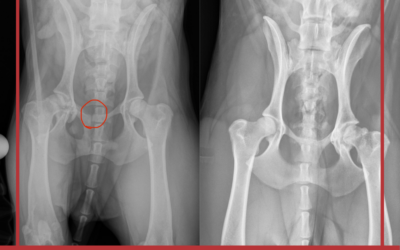
- Request to see all medical records, not just vaccine records. Ask if their staff or partner veterinarian is available for you to discuss concerns. Look for discrepancies between intake paperwork and what is being advertised. Big differences in age, breed, or weight are red flags. Intentionally falsifying or withholding records is a crime. Changing, falsifying or intentionally withholding records is a crime.
-
Ask about the dog’s known history. Was it a stray, an owner surrender, a hoarder dog, a puppy mill dog, a meat market dog, or a street dog from another country? Early history is important, especially if the dog had poor socialization or trauma.
-
If adopting a puppy, ask about socialization. What has the organization done, especially before 14 weeks of age? Do they have the puppy’s mother? If so, insist on meeting her. Fearful mothers often produce fearful puppies. What exposure has the puppy had to children, cats, or other dogs?
-
Request the behavioral assessment. Most rescues and shelters are required for insurance purposes to conduct one. Ask about guarding behaviors, handling tolerance, and sociability while the dog has been in their care. The assessment should be administered and interpreted by a certified trainer.
-
Ask why the dog was surrendered. If it was for behavioral reasons, rescues may downplay or blame the owner. This is a red flag.
-
Ask where the dog has been during its time in the organization. Was it in a kennel or in a foster home?
-
Research the organization. Read reviews, including hidden Yelp reviews.
- Check the financial rankings and integrity on sites such as Charity Navigator or GuideStar. Look at how much of the budget actually goes to the animals. Choose charities that spend less than 30% on administration and fundraising.
-
Ask what training methods they use. If they do not state that they use positive reinforcement methods, press for clarification.
And finally, observe. Before adopting, visit adoption events or the facility a few times. Do the animals look happy and well cared for? Do staff and volunteers seem engaged and positive? Are dogs being spoken to kindly and offered treats, or are they dragged around on leashes and cowering in crates?
In many states, there is little to no oversight of shelters and rescues. It is surprisingly easy to form a rescue, and while many are well-intentioned, that does not mean they are well-run. Some are outright harmful, functioning as hoarding situations, providing inadequate medical care, using aversive training methods, or getting in over their heads financially.
At the end of the day, it is buyer beware. It is up to us to keep groups accountable by asking questions, demanding answers, and trusting our instincts. Making good matches for both the people and the dogs should be the top priority, not simply moving out as many animals as possible.
And, many trainers, like me, offer pre-adoption counseling to help set you and your family up for success and to help you figure out what best to look for.
If you would like to support my efforts and make a contribution to allow me to continue to create free resources like my blog and all of my other free resources, you can Buy Me A Coffee!

Happy training!